
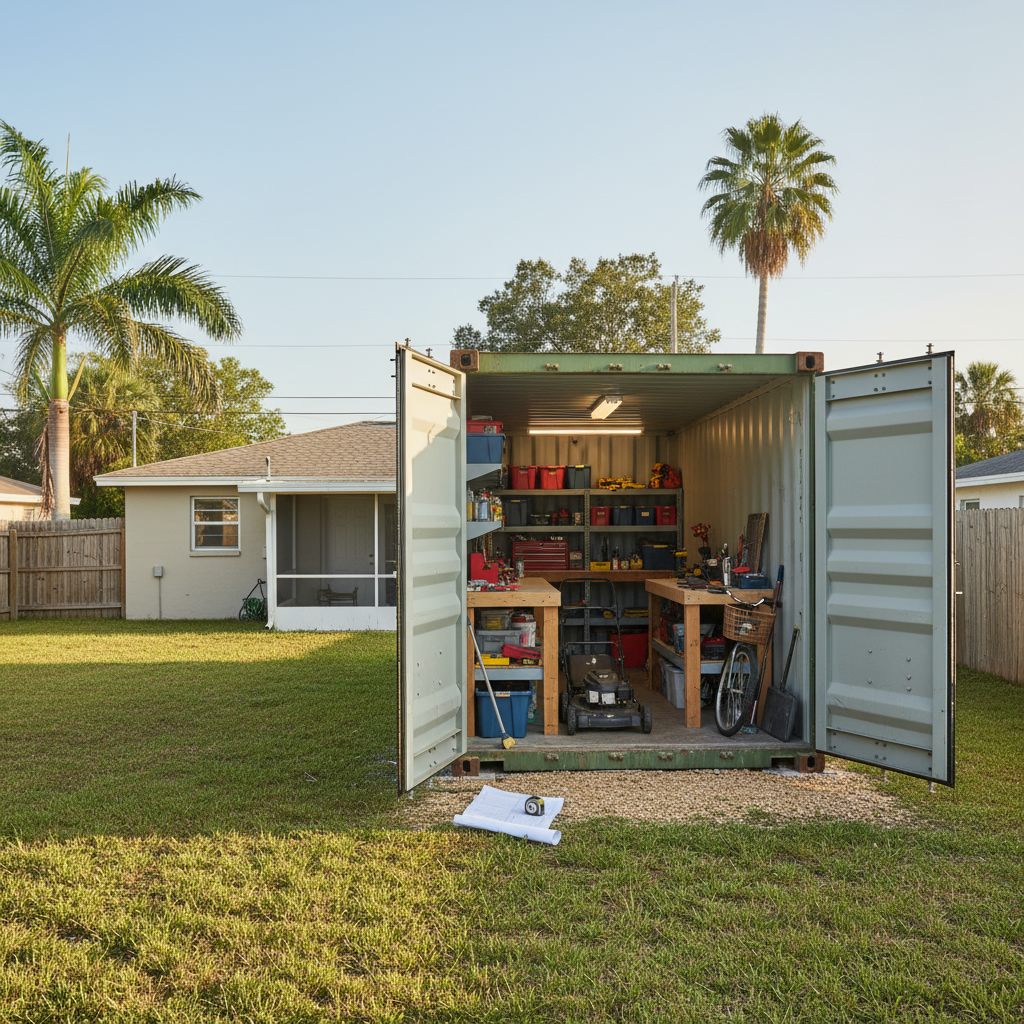
Key Takeaways:
- In most cases, you need a permit for a shipping container in Florida, depending on how it is used, how long it stays on your property, and local zoning rules.
- Temporary containers (often under 30–180 days) may require a zoning permit – or none at all – while longer placement is more likely to trigger additional approvals.
- Permanent or modified containers are typically treated as structures and often require both zoning approval and a building permit.
- Shipping container homes are regulated as residential buildings and must fully comply with the Florida Building Code.
Shipping containers are no longer just used for ports and logistics – in Florida, they have become a practical solution for storage, job sites, and even full-scale housing. From homeowners adding extra space in their backyard to businesses using containers for daily operations, demand continues to grow. But with that demand comes a critical question that can make or break your project: do you actually need a permit to place a shipping container on your property?
The answer is not a simple yes or no. In Florida, shipping containers are regulated through a layered system that combines statewide building codes, county zoning rules, city or town regulations, and, in many cases, private HOA restrictions. What may be allowed in one county for a short period of time can require full approval in another, and even if local authorities allow it, additional rules at the city or HOA level may still apply. Understanding how these layers interact is the key to determining whether your specific situation requires a permit.
This is where most people make costly mistakes – they assume a container is “just storage,” skip the verification process, and end up facing fines, removal orders, or delays. In reality, everything depends on how your container is used, how long it stays on your property, and how these four levels of regulation apply to your exact location. In this guide, we break down how shipping container permits actually work in Florida so you can avoid legal issues and move forward with confidence.
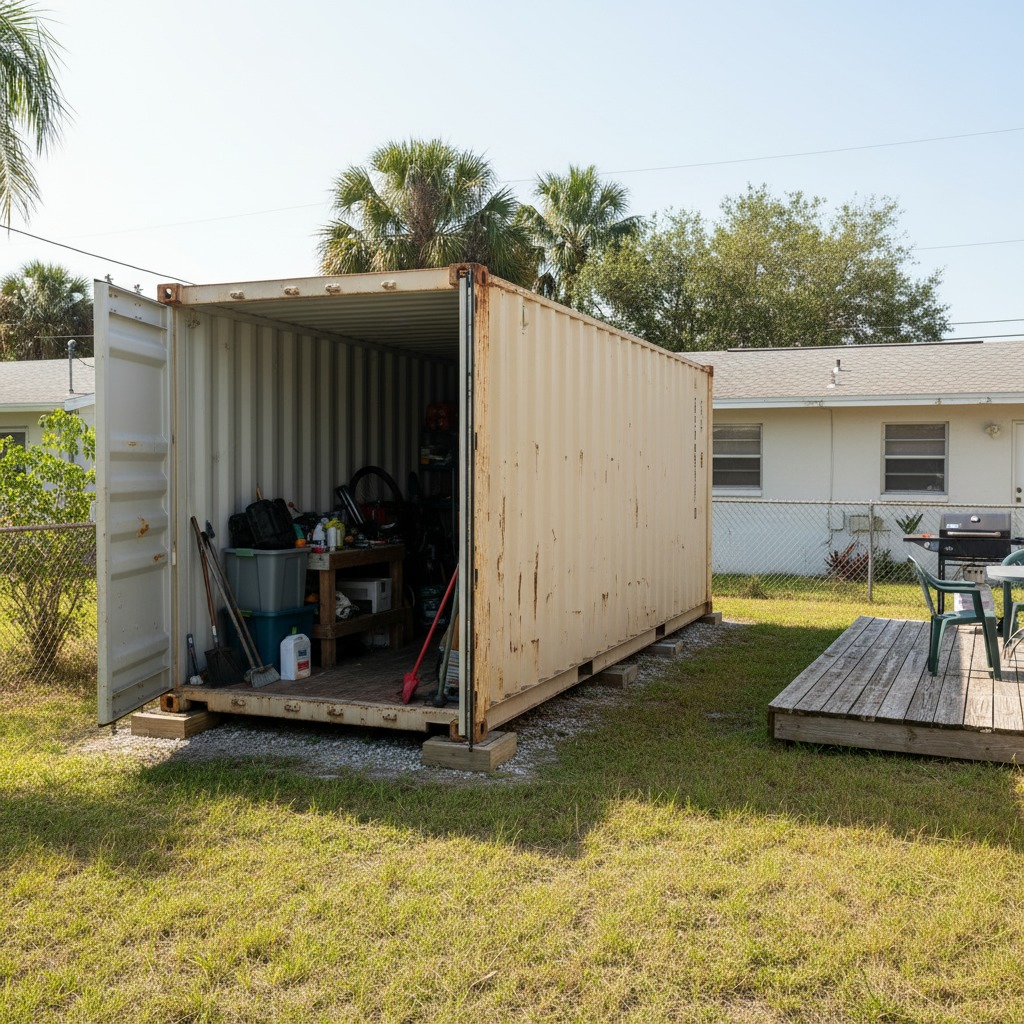
Understanding Shipping Container Regulations in Florida
Before discussing permits, it’s important to understand how shipping containers are treated under Florida regulations. This is where most confusion starts – because a container is not treated as a simple object or piece of equipment.
In regulatory terms, a shipping container can fall into multiple categories depending on how it’s used. It may be considered temporary storage, an accessory structure, or even a residential building. Each of these classifications comes with a completely different set of rules, approvals, and restrictions.
One key idea to understand:
local authorities don’t regulate the container itself – they regulate how it is used on your property.
- A container used for short-term storage may be treated as a temporary unit
- The same container placed long-term can be classified as a structure
- Once modified or connected to utilities, it often falls under building regulations
- If used as living space, it is treated like a traditional home
Because of this, there is no single universal rule that applies to all situations. Instead, regulations are layered and depend on how your specific project fits into local zoning and building frameworks.
Another important factor is that Florida does not enforce container rules at the state level in a simple, unified way. Most decisions are made locally – by counties, cities, and even specific zoning districts. This means two properties just a few miles apart may be subject to completely different requirements.
How Permit Requirements Are Determined (4 Key Levels)
Shipping container regulations in Florida are not controlled by a single rule or authority. Instead, permit requirements are determined through four overlapping levels of regulation – and understanding how they interact is essential. In many cases, approval at one level does not guarantee compliance at another, which is why the same container may be allowed in one location but restricted in another.
1. Florida Building Code (State Level)
At the state level, the Florida Building Code (FBC) determines when a shipping container is classified as a regulated structure and requires a building permit.
Here are the key rules based on FBC guidelines:
- Detached accessory structures under 200 sq ft used strictly for storage may not require a building permit
- However, they must still comply with zoning rules, setbacks, and placement regulations
- Any structure with electricity, plumbing, or HVAC automatically requires a permit
- Containers used for more than 180 days are often classified as permanent accessory structures
- Container homes or habitable units must fully comply with residential building codes
Example: A small storage container placed temporarily without utilities may avoid a building permit. However, a 40ft container (~320 sq ft) used long-term or connected to electricity will require a full building permit and inspections.
2. County Regulations (Zoning & Land Use)
County regulations determine whether your container is allowed at all and how it can be used on your specific property. This is where zoning becomes critical.
In most cases, placing a container permanently means transitioning from a Temporary Portable Storage Container (TPSC) to an accessory structure, which triggers additional requirements:
- Zoning approval is often required even for temporary placement
- Permanent containers typically require both zoning and building permits
- Containers must comply with setbacks, height limits, and lot coverage rules
- Regulations vary depending on zoning districts such as:
AG, AR, AR-1, AR-2, RA, RB, RE, RMHP, RC, RD, PUD
Example (Orange County):
- Less than 180 days → zoning permit required
- More than 180 days → zoning + building permit required
Example (General zoning impact): A container may be allowed in an AG (Agricultural) zone but restricted or prohibited in RB (Residential Business) or PUD (Planned Unit Development) zones.
Best practice: Request a Zoning Verification Letter from your county Planning & Development Department to confirm whether your specific property allows container placement.
3. City or Town Regulations (Local Layer)
If your property is located within city limits (incorporated area), an additional layer of regulations applies – and these are often stricter than county rules.
Key factors at the city level:
- Cities may impose stricter rules on appearance, visibility, and placement
- Containers may be restricted in residential or coastal zones
- Some cities only allow containers when tied to an active construction permit
- Local ordinances may override more flexible county regulations
Example (Jacksonville Beach): Shipping containers are typically allowed only if there is an active building permit – meaning standalone storage containers are often not permitted.
Example (general city rules). Some municipalities require containers to be:
- Placed behind the main structure
- Screened from public view
- Located on paved or approved surfaces
TIP: To check whether your property falls under city or county jurisdiction, use your local GIS zoning map (for example, Clay County GIS system).
4. HOA Regulations (Private Restrictions)
Homeowners’ Associations (HOAs) add a private layer of regulation that many property owners overlook — and in practice, they can be even more restrictive than local laws.
Typical HOA rules include:
- Complete ban on shipping containers
- Requirement for prior written approval before delivery
- Mandatory screening or concealment
- Restrictions based on visibility from street or neighboring properties
Recent Florida laws limit HOA authority over items not visible from frontage or adjacent parcels, but this does not override zoning or building code requirements.
Example: Even if your county allows a container for 30–180 days, your HOA may:
- Prohibit it entirely
- Allow it only for a few days
- Require it to be hidden from view
Key takeaway
Four separate but interconnected layers determine shipping container permit requirements in Florida – and all of them must be considered together.
- State (FBC) → defines structural and safety requirements
- County → determines land use and zoning compliance
- City → adds local restrictions and enforcement
- HOA → applies private property rules
Because of this, there is no universal answer. The only reliable way to determine permit requirements is to evaluate all four levels based on your exact property, use case, and duration.
TIP: Before buying or delivering a container, always confirm requirements with your county zoning office first, then verify city and HOA rules. This prevents the most common (and expensive) mistakes.
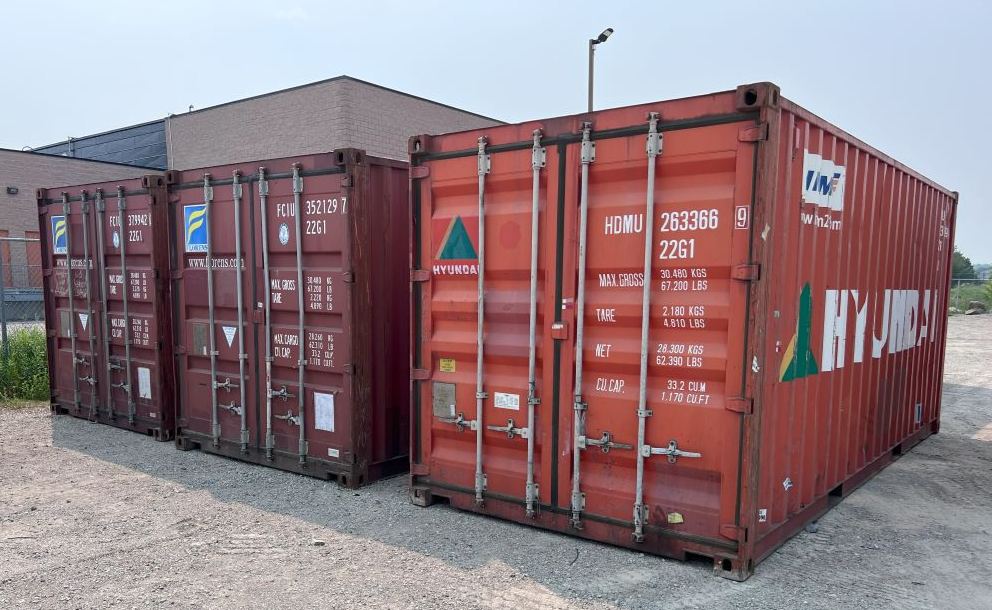
Temporary vs Permanent Shipping Containers in Florida
One of the most important factors that determines whether you need a permit in Florida is whether your shipping container is considered temporary or permanent. This distinction directly affects how local authorities classify your container – and what approvals may be required.
In simple terms, temporary containers are typically used for short-term needs such as moving, renovations, or construction projects. These are often referred to as temporary portable storage containers (TPSC). Permanent placement, on the other hand, applies when a container remains on your property long-term or becomes part of your property’s infrastructure.
While this may seem like a simple difference, it creates two completely separate regulatory paths.
Key differences between temporary and permanent containers:
- Temporary containers are usually regulated through zoning rules and time limits
- Permanent containers are often classified as accessory structures or buildings
- Long-term placement significantly increases the likelihood of permit requirements
- Modifications or utility connections can quickly shift a container into a permanent classification
How duration affects classification
Duration is one of the most important factors in how shipping containers are regulated in Florida. Many local jurisdictions define “temporary” based on how long the container remains on your property – but there is no universal rule. In many areas, temporary storage containers may be allowed for a limited period, often ranging from 30 to 180 days, without requiring a full building permit. However, this does not mean they are unregulated. Even short-term placement may still require zoning approval or must meet specific conditions, especially in residential areas.
Once a container is placed long-term, the regulatory requirements become much stricter.
Permanent placement is typically regulated as an accessory structure or even a residential building, depending on how the container is used. In these cases, the container must comply with both local zoning ordinances and the Florida Building Code (FBC) – particularly if it is modified, anchored, or connected to utilities such as electricity, plumbing, or HVAC systems.
Real-world examples in Florida
In practice, rules can vary significantly depending on your location:
- In some counties, temporary containers are allowed during active construction or moving periods
- In coastal or residential areas, even short-term use may require approval
- Some jurisdictions require containers to be placed on specific surfaces or out of public view
- Others may restrict containers entirely without an active permit
This means that a container considered “temporary” in one county may be treated as a regulated structure in another.
Important takeaway
Never assume that “temporary” means unregulated.
Even short-term container use can fall under local zoning rules, and extending the duration without approval is one of the most common reasons property owners face fines or removal notices.
Because there is no single statewide definition, the classification of your container ultimately depends on how it is used, how long it stays, and where your property is located.
TIP: If you’re planning to keep a container longer than expected – or modify it in any way – it’s always safer to treat it as a permanent structure from the start and verify requirements with your local zoning office.
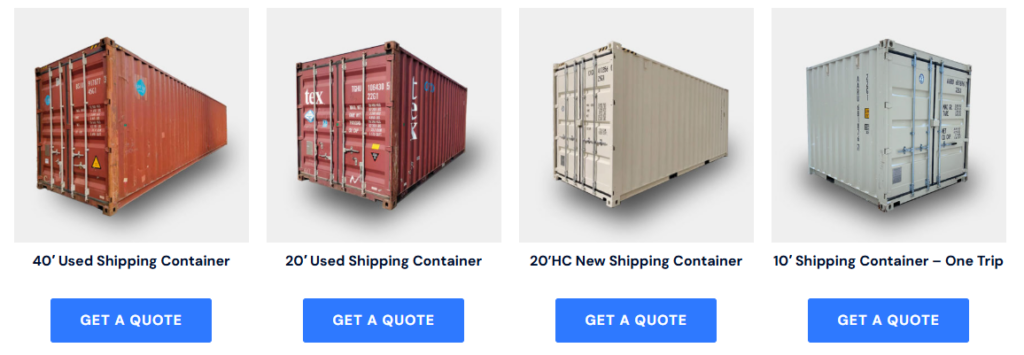
If you’re considering using a shipping container for storage, construction, or long-term placement, choosing the right unit from the start can save you time, money, and potential compliance issues.We can help you select and deliver a container that fits your specific use case and local requirements – explore available options below or get in touch for guidance.
How Long Can a Shipping Container Stay on Your Property in Florida
Duration is one of the most important factors that determines whether a shipping container is allowed on your property in Florida. In many cases, it directly affects whether your container is treated as temporary storage or as a regulated structure that requires permits.
Short answer: There is no universal timeframe in Florida – most areas allow temporary containers for 30 to 180 days, but the exact limits and permit requirements depend on your local county or city.
Real examples of shipping container time limits in Florida
| Location | Typical Rules |
|---|---|
| Orange County (unincorporated) | Less than 180 days → zoning permit required; more than 180 days → zoning + building permit |
| Duval County (Jacksonville) | Containers are allowed only with an active building permit; standalone temporary use is restricted |
| Clay County | Up to 30 days may be allowed for residential use; in some cases, no zoning permit required |
| Jacksonville Beach | Up to 30 days may be allowed for residential use; in some cases, no zoning permit is required |
These examples show that shipping container regulations in Florida are highly location-specific. Local governments use duration to determine whether a container is temporary or permanent, and once it exceeds allowed time limits, it is often reclassified as an accessory structure – triggering additional zoning rules and building permit requirements. Because of this, the safest approach is always to confirm the exact timeframe with your local planning and zoning department before placing a container on your property.
TIP: Even if your container is initially allowed for short-term use, extending its duration without approval is one of the most common reasons property owners face fines or removal orders.
Shipping Container Zoning Laws in Florida
Zoning laws are the foundation of how shipping containers are regulated in Florida. Before any permits, inspections, or construction plans come into play, zoning determines whether a container is even allowed on your property in the first place.
Unlike building codes, which focus on safety and construction standards, zoning laws regulate how land can be used. This includes what types of structures are allowed, where they can be placed, and how they must look within a specific area.
One important idea to understand: Zoning does not ask “is the container safe?” – it asks “does this belong here?”
- Residential zones often have the strictest rules and aesthetic requirements
- Agricultural zones tend to be more flexible but still regulated
- Commercial zones may allow containers but limit residential use
- Some areas restrict containers entirely or require screening
Another key factor is classification. Local zoning offices may categorize a shipping container in different ways depending on its use:
- Temporary storage unit
- Accessory structure
- Dwelling or residential building
- Commercial equipment
Each classification comes with its own set of rules, setbacks, and approval processes.
Because zoning laws are handled at the local level, requirements can vary dramatically from one county or city to another. Even within the same region, different zoning districts (such as residential vs agricultural) can completely change what is allowed.
TIP: Before buying or delivering a container, request zoning verification from your local planning department. This is one of the most effective ways to avoid costly mistakes.
Another layer that many property owners overlook is how zoning interacts with property-specific factors like lot size, setbacks, and visibility. In many residential areas, containers must meet placement rules and may need to be screened from public view.
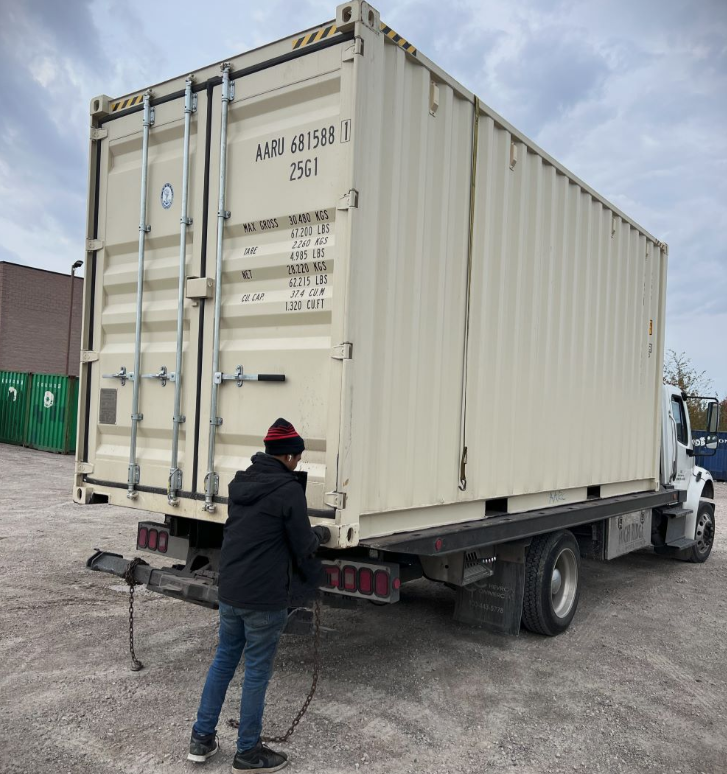
Florida Building Code Requirements for Shipping Containers
While zoning determines where you can place a shipping container, building codes determine how it must be constructed and used. In Florida, this is governed by the Florida Building Code (FBC), which is one of the strictest in the United States due to weather conditions such as hurricanes and high winds.
Shipping containers are not automatically exempt from building code requirements. Once a container is used beyond simple temporary storage – especially if it is modified or intended for long-term use – it may be treated as a regulated structure.
One sentence summary: If a container functions like a structure, it must meet structural and safety standards.
- Structural integrity must meet wind load requirements
- Modifications (cutting walls, adding doors or windows) must be engineered
- Electrical, plumbing, or HVAC systems require permits and inspections
- Occupied structures must meet residential building standards
There is also an important nuance related to smaller accessory structures. In some cases, very small detached storage structures may not require a full building permit. However, this does not automatically apply to shipping containers, especially if they are large, modified, or used long-term.
What matters most is how the container is classified and used – not just its size.
TIP: Even if a container seems “simple,” adding utilities or modifying its structure can immediately trigger full building code requirements.
Another key point is that Florida building codes focus heavily on safety. This includes resistance to wind loads, proper anchoring, and structural reinforcement. For container homes or modified units, this often requires engineering plans and formal inspections before approval.
Understanding how building codes apply is essential for avoiding delays or permit rejections. Even if zoning allows your container, failure to meet building code requirements can stop your project entirely.
How Shipping Container Use Affects Permits and Legal Classification
The way you plan to use a shipping container is the single most important factor in how it will be regulated. In many cases, the intended use determines whether the container is treated as temporary storage, a functional structure, or a fully regulated building.
One sentence summary: The same container can fall under entirely different legal categories depending on its purpose.
- Storage use is often treated as temporary or accessory
- Workspaces or offices introduce additional compliance requirements
- Commercial use may trigger stricter zoning and safety standards
- Residential use shifts the container into full building code territory
This is where many property owners run into problems – they assume all containers are treated the same, regardless of use. In reality, even small changes in how the container is used can significantly impact the rules that apply.
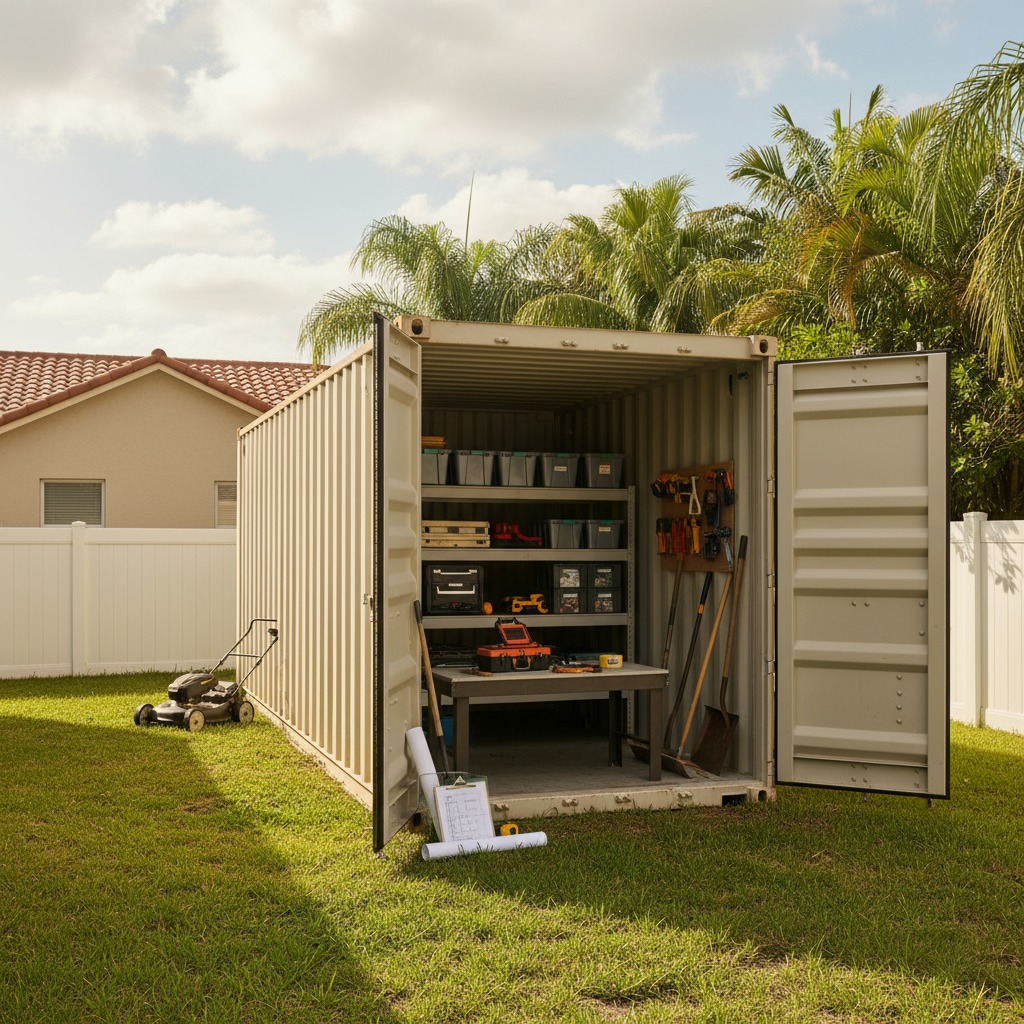
For example, placing a container on your property for storing tools is very different from converting it into a workspace with electricity. The addition of utilities alone can change how local authorities classify the structure and what approvals are required.
TIP: Always define your exact use case before researching permits. Changing the purpose later can trigger additional approvals, delays, or even violations.
Another important distinction is between temporary and long-term use. Many local regulations are built around duration – how long the container remains on the property. This factor, combined with use, plays a major role in determining the next steps in the permitting process.
How to Get a Shipping Container Permit in Florida
Once you understand how your container will be classified and what local rules apply, the next step is navigating the permit process. While requirements vary by location, the general process follows a similar structure across most Florida jurisdictions.
The key is preparation – most delays and rejections happen because applications are incomplete or submitted without proper planning.
One sentence summary: Getting a permit is a step-by-step process that starts with zoning and ends with inspection approval.
- Contact your local planning or zoning department
- Confirm whether your intended use is allowed on your property
- Prepare a site plan showing container placement and dimensions
- Submit a zoning or building permit application (depending on use)
- Provide details such as container size, purpose, and modifications
- Schedule inspections if required
In many cases, your application will need to include:
- Property boundaries and setbacks
- Location of existing structures
- Exact placement of the container
- Information about utilities or modifications
The complexity of the process increases if the container is used for anything beyond basic storage. For example, container homes or modified units typically require engineering plans, structural approval, and multiple inspections.
TIP: Submitting a complete and detailed site plan is one of the fastest ways to avoid delays in the approval process.
It’s also important to account for timing. Permit approvals can take anywhere from a few days to several weeks – or longer if revisions are required. Starting the process early can prevent costly delays, especially if delivery or construction timelines are involved.
Understanding the process ahead of time allows you to move forward with confidence and avoid the most common mistakes that slow down container projects in Florida.
HOA Rules and Private Restrictions for Shipping Containers in Florida
Beyond zoning laws and building codes, there is another layer of regulation that many property owners overlook – private restrictions such as Homeowners Associations (HOAs) and deed covenants. In Florida, these rules can be just as powerful as local laws and, in some cases, even more restrictive.
Unlike public regulations, HOA rules are private agreements tied to your property. This means that even if your city or county allows a shipping container, your HOA may still prohibit it or impose additional conditions.
One important idea to understand: approval from the city does not guarantee approval from your HOA.
- Some HOAs prohibit shipping containers entirely
- Others allow them only for short-term use
- Many require containers to be screened or hidden from view
- Approval may be required before delivery or installation
Another factor is visibility. In Florida, recent legal changes limit how much HOAs can regulate items that are not visible from the street or neighboring properties. However, this does not override local zoning laws or eliminate HOA authority entirely.
This creates a layered system where multiple rules apply at the same time.
TIP: Before placing a container, review your HOA guidelines and request written approval if required. Verbal confirmation is not enough in case of disputes.
In addition to HOAs, deed restrictions (often referred to as CC&Rs) can also impact your project. These are legal conditions attached to your property that may restrict certain types of structures, materials, or uses.
Ignoring these rules can result in fines, legal action, or even forced removal – even if your container complies with city regulations.
Whether you need a container for a job site, secure storage, or a long-term setup, getting the right type and size is critical for both usability and compliance. At Seablox, we help customers choose the right container and handle delivery directly to their property – so you can move forward without guesswork.
Do You Need a Permit for a Shipping Container Home in Florida
Shipping container homes are treated very differently from standard storage containers. While a basic container may sometimes be considered temporary, a container home is classified as a residential structure and is subject to full building regulations.
This means the requirements are significantly more complex and strictly enforced.
One sentence summary: A shipping container home is regulated like a traditional house.
- Full building permits are required
- Engineering plans must be submitted and approved
- The structure must comply with the Florida Building Code
- Inspections are required throughout construction
- Final approval is needed before occupancy
Container homes must meet the same safety standards as conventional housing. This includes structural stability, wind resistance, fire safety, insulation, and proper utility systems.
Another important factor is zoning. Even if your design meets all building code requirements, zoning laws must still allow residential use of that structure on your property.
In some areas, container homes are restricted due to aesthetic standards or minimum size requirements. In others, they may be allowed if properly designed and approved.
TIP: When planning a container home, present it as a fully engineered residential structure – not just a modified container. This significantly improves approval chances.
It’s also important to understand that container homes often require more preparation than expected. This includes working with engineers, preparing detailed plans, and coordinating with local authorities throughout the approval process.
Because of this, container homes should always be approached as full construction projects – not simple container modifications.
What Happens If You Install a Shipping Container Without a Permit
Skipping permits might seem like a way to save time or money, but in Florida, it often leads to much bigger problems. Local authorities actively enforce zoning and building regulations, and unapproved structures are one of the most common violations.
One sentence summary: Ignoring permit requirements can turn a simple container project into a costly legal issue.
- You may receive a formal notice of violation
- Daily fines can accumulate until the issue is resolved
- The container may need to be removed at your expense
- Utility connections can be denied or disconnected
- Property sales can be delayed due to unresolved violations
In more serious cases, violations can escalate into liens on your property, especially if fines remain unpaid or compliance is ignored.
The biggest issue is that enforcement usually happens after installation, when the container is already delivered and in use. At that point, your options are limited – and often expensive.
TIP: Always verify zoning and permit requirements before delivery. Fixing issues after installation is significantly more difficult than preventing them.
Conclusion: Do You Need a Permit for a Shipping Container in Florida
Shipping containers can be a highly practical solution for storage, business use, or even residential projects in Florida, but they operate within a complex regulatory environment. The key challenge is not the container itself, but how it is classified based on use, duration, and location. Local zoning laws, building code requirements, and private restrictions all work together, creating a system where small details can significantly impact what is allowed.
Understanding this system early is what separates smooth, successful projects from costly mistakes. Whether it’s temporary placement, long-term storage, or a fully built container home, each scenario follows a different path. Taking the time to verify zoning, confirm permit requirements, and plan properly ensures that your container project remains compliant and avoids unnecessary delays, fines, or removal issues.
If you’re planning to move forward with a shipping container, having the right guidance from the start can make the entire process easier and more predictable. The right container, proper setup, and understanding of real-world requirements are what ultimately determine whether your project succeeds.
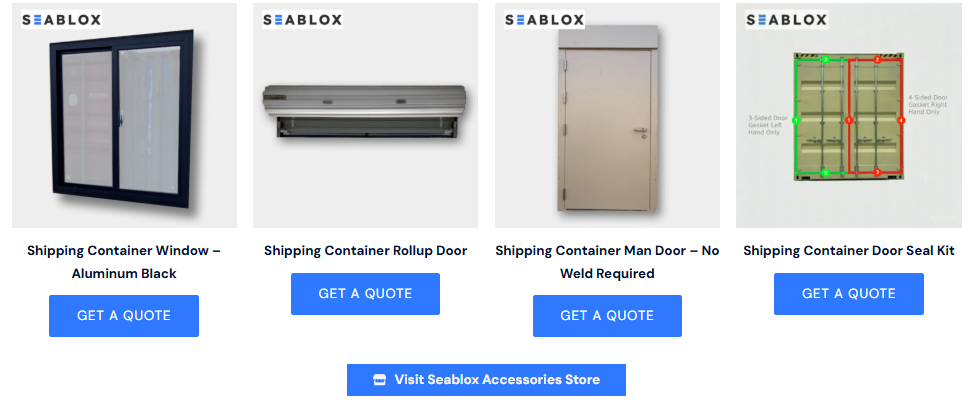
At Seablox, we help customers across the U.S. find the right shipping container for their needs – whether it’s for storage, business use, or custom projects. From selecting the right container size to handling modifications like doors, windows, insulation, and more, our team works with you to create a solution that fits your goals. With real industry experience and nationwide delivery, we make it easier to move forward without guesswork.
FAQ
Do you need a permit for a shipping container in Florida?
In most cases, a permit or approval is required, but it depends on how the container is used and where your property is located. Temporary storage may have fewer requirements, while long-term or modified use typically requires permits. The best approach is to confirm with your local zoning or building department before placing a container.
How long can a shipping container stay on your property in Florida?
The allowed duration varies by county or city, and there is no single statewide rule. Some areas allow short-term placement for moving or construction, while longer use may trigger additional approvals. Once a container is no longer considered temporary, it is often regulated as a structure.
Can you put a shipping container in your backyard in Florida?
This depends on local zoning laws and neighborhood rules. Some residential areas allow containers with restrictions on placement, visibility, or duration, while others may prohibit them. It’s important to check both zoning regulations and any HOA rules before installing one.
Do you need a permit for a shipping container home in Florida?
Yes, container homes are treated as residential buildings and must meet full building code requirements. This includes permits, engineering plans, inspections, and compliance with safety standards. They are regulated the same way as traditional homes.
What happens if you install a shipping container without a permit?
Installing a container without proper approval can lead to fines, violations, or even forced removal. In some cases, it can also create issues when selling the property or connecting utilities. Resolving these problems after installation is usually more difficult than handling permits upfront.